
The Maginot Line in Alsace: Visit Fort Schœnenbourg from Haguenau
In the heart ofnorthern Alsace, just a few kilometers from the German border, lies one of France’s most impressive historical sites: Fort Schœnenbourg. An iconic structure of the Maginot Line, this underground colossus stands as an extraordinary testament to the military engineering of the 1930s and the heroic resistance of French soldiers in June 1940. If you’re staying in Haguenau or planning a weekend in the Bas-Rhin, this visit is a must. Here’s everything you need to know to plan your visit and find quality accommodations nearby. To extend your Alsatian getaway, be sure to check out our ultimate guide, “What to Do in Alsace?”, which perfectly complements this historical tour.
Fort Schœnenbourg: The Invincible Giant of the Maginot Line
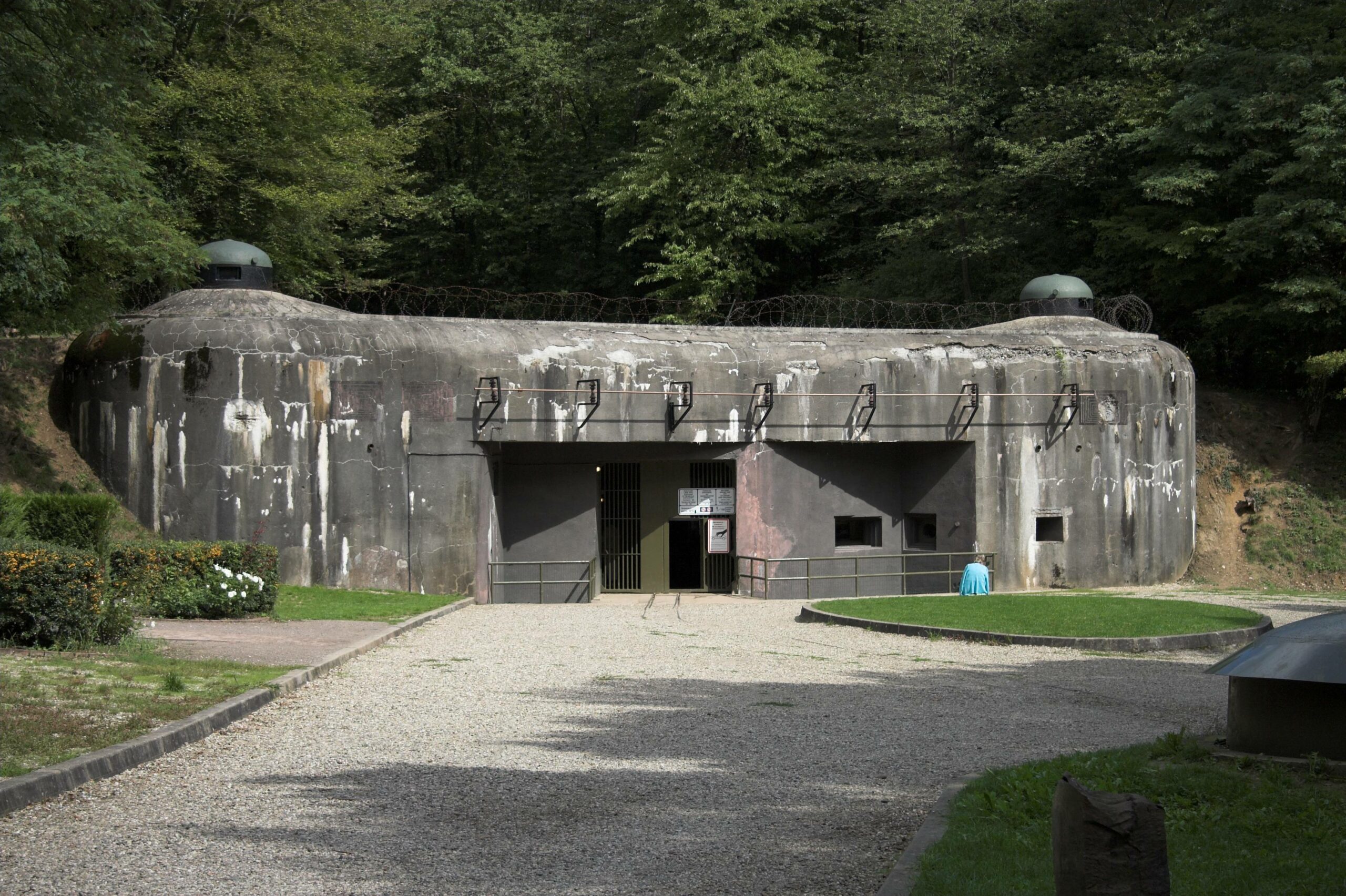
Built between 1931 and 1935, Fort Schœnenbourg is located on the border between the municipalities of Hunspach andIngolsheim in the Bas-Rhin department. It is a major artillery fortification of the Maginot Line, designed to withstand the most intense attacks and defend France’s northeastern border against a German invasion.
With its eight combat blocks, retractable artillery turrets, and extraordinary underground network, Schœnenbourg epitomizes the pinnacle of interwar military engineering. In 1940, it housed a garrison of 610 men and 20 officers, ready to hold their positions for weeks on end in complete self-sufficiency.
Today, the fort is listed as a Historic Monument and ranks among the most visited memorial sites in Alsace. It was even voted the second favorite monument among the French in 2022, just behind Amiens Cathedral.
An extraordinary fortress: 3 km of tunnels 30 meters underground
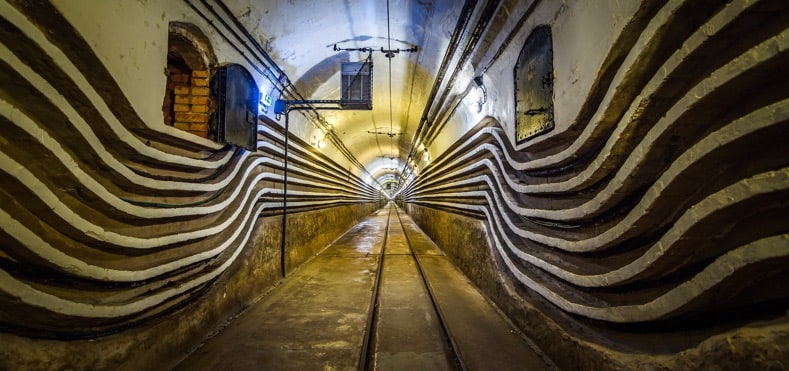
Stepping into Fort Schœnenbourg is like stepping into another world. Thirty meters underground (reaching a depth of 35 meters at the sanitary facilities), a network of tunnels stretching nearly 3 kilometers connects the various combat blocks. The main tunnel, which links the rear entrances to the front blocks, is over 1,500 meters long on its own.
The structure is completely self-sufficient: it has its own power plant, kitchens, infirmary, barracks for the troops, and reserves of water, ammunition, and food, as well as a sophisticated ventilation system capable of withstanding gas attacks. In theory, soldiers could live there for months on end without having to go back to the surface.
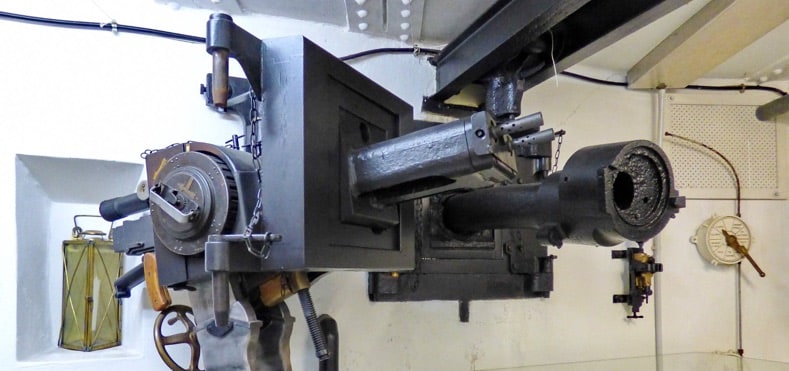
The fort’s artillery consisted of 75-mm guns, 81-mm mortars, and 135-mm howitzers, distributed among the turrets and firing casemates. This entire system made it possible to cover a vast area around the fort and provide support for neighboring positions.
June 1940: Over 3,200 shells fired at it, a fortress that remained unconquered
During the Battle of France, from June 14 to 25, 1940, Fort Schœnenbourg endured one of the most intense bombardments ever inflicted on a French fortification. Under the command of Major Reynier, the garrison held its ground without flinching:
- 56 420-mm shells (an exceptionally large caliber, among the largest used during World War II)
- 33 280-mm shells
- Approximately 3,000 150-mm and 105-mm shells
- 160 aircraft bombs, dropped by Junkers Ju 87 Stukas (some weighing up to 1,000 kg)
In total, more than 13,388 shells rained down on the fort in just eleven days. And yet, it never fell. It was the most heavily bombarded fort on the entire Maginot Line—and one of the few to remain completely unconquered until the end of the war.
For their part, the French artillerymen fired relentlessly: between September 3, 1939, and June 25, 1940, they fired 16,474 shells at enemy positions, including 15,792 75-mm shells.
It was not until July 1, 1940—six days after the armistice of June 25—that the garrison surrendered, not because they had been defeated, but on direct orders from the French High Command. The soldiers left the fort with their heads held high, having held out during a siege that many had thought impossible to withstand.
The Postwar Period and the Rebirth of Fort Schœnenbourg
Damaged by German acts of sabotage in 1945 and then left to fall into disrepair for several decades, Fort Schœnenbourg began a new chapter in the 1980s. A team of dedicated volunteers, organized underthe Association of Friends of the Maginot Line in Alsace, undertook a major restoration project.
Today, the fort is one of the best-preserved and most complete sites along the Maginot Line that is open to the public. Nearly all of the original facilities are still visible and, in many cases, still in working order: generators, turret mechanisms, kitchens, ventilation systems, command posts…
Plan your visit to Fort Schœnenbourg in 2026
Prices and Hours
Admission to the fort will cost the following in 2026:
- Adult: €10
- Children ages 6 to 18: €5
- Free for children under 6
- Groups (15 or more people): €10 per person
- School groups: €5 per student
Hours vary by season:
- January–February: weekends from 2:00 p.m. to 4:00 p.m.; guided tour every Tuesday at 1:30 p.m.
- March: Weekends 9:30 a.m.–4:00 p.m.; guided tour every Tuesday at 1:30 p.m.
- April through June: Monday through Friday, 2:00 p.m. – 4:00 p.m.; weekends and holidays, 9:30 a.m. – 4:00 p.m.
- July–August: Open daily during peak season (check the official website)
The ticket office closes two hours before the fort closes. Reservations are recommended in July, August, and during long weekends.
Duration and practical tips
- Duration of the tour: approximately 2 to 2.5 hours along a 3-kilometer underground route
- Warm clothing is essential (the temperature remains at 13 °C underground)
- Comfortable walking shoes
- Partially accessible to people with limited mobility — contact the organization for specific details
- Self-guided tour with an audio guide or guided tour, depending on the time of year
Hunspach: France’s Favorite Village, Just a Stone’s Throw from the Fort
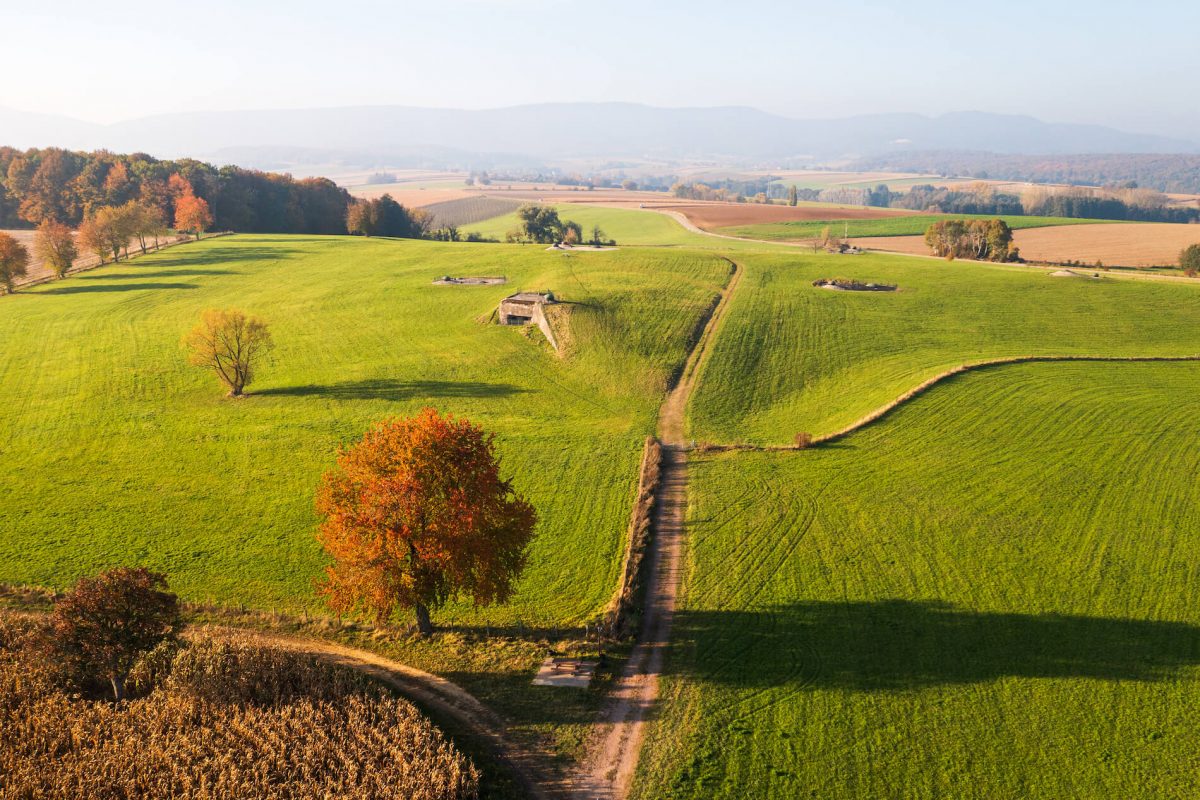
Just a stone's throw from Fort Schœnenbourg, Hunspach is undoubtedly one of the most beautiful villages in Alsace. Voted “France’s Favorite Village” in 2020, this little gem of the Outre-Forêt region charms visitors with its exceptional architectural heritage: white half-timbered houses, stepped gables, characteristic arched windows, flower-lined alleys, and perfectly preserved traditional farmhouses.
While you’re at the fort, take the opportunity to stroll through the village, enjoy a tarte flambée at one of the winstubs, or venture out to the neighboring villages of Seebach, Ingolsheim, or Wissembourg. To learn all about its traditions, its unique architecture, and the best places to visit, check out our dedicated article: Hunspach: The Most Beautiful Village in Alsace to Visit Near Haguenau.
The Maginot Line: 18 fortifications to explore in Alsace
Schœnenbourg Fort is not the only site along the Maginot Line in Alsace that is open to visitors. Regional tourism authorities have created the “Maginot Route, ” a tour that includes 18 fortifications open to the public between the Northern Vosges and the Sundgau. Here are the must-see sites near Haguenau:
Esch Bunker (Hatten)
A small museum housed in an infantry bunker on the outskirts of Hatten, which traces the structure’s role during the 1939–40 campaign and the terrible Battle of Hatten-Rittershoffen in January 1945. Open from May to September, Sundays from 10 a.m. to 6 p.m.
Heidenbuckel Shelter — Shelter Museum (Hatten)
Built in 1930, this above-ground shelter could accommodate more than 220 soldiers. It is equipped with everything necessary: kitchens, dormitories, restrooms, an infirmary, an engine room, and gas protection. The museum offers an immersive exhibition featuring reenactments of the soldiers’ daily lives. Open from March to November. Allow 2 to 3 hours for your visit.
Lime Kiln (Lembach)
Another major artillery structure, further west, which perfectly rounds out the tour of Schœnenbourg.
Hochwald Dam (Drachenbronn)
The largest structure of the Maginot Line in Alsace, partially incorporated into a military site that is still active today.
For a complete 2-day tour, we recommend: Schœnenbourg in the morning, lunch in Hunspach, the Esch Casemate, and the Hatten Shelter in the afternoon on Day 1; the Lime Kiln and a hike in the Northern Vosges on Day 2.
Where to stay when visiting the Maginot Line: our apartments in Haguenau
Haguenau is the ideal base for exploring the Maginot Line in Alsace: just 22 km from Fort Schœnenbourg, you’re perfectly situated between the memorial sites of the Outre-Forêt and the city of Strasbourg (30 minutes via the A4). Nexvisit offers six high-end furnished apartments in Haguenau and Schweighouse-sur-Moder, perfect for a historical tour or family vacation. To discover all the accommodation options in the region, also read our comprehensive guide to finding the right place to stay in Northern Alsace featuring our top picks.

The Royal House
📍 Haguenau, Alsace
starting at €185 per night
Minimum 2-night stay; cleaning and linens included
Explore →
The Serenity
📍 Haguenau, Alsace
starting at €150 per night
Minimum 2-night stay; cleaning and linens included
Explore →
The Luminosa
📍 Haguenau, Alsace
starting at €170 per night
Minimum 2-night stay; cleaning and linens included
Explore →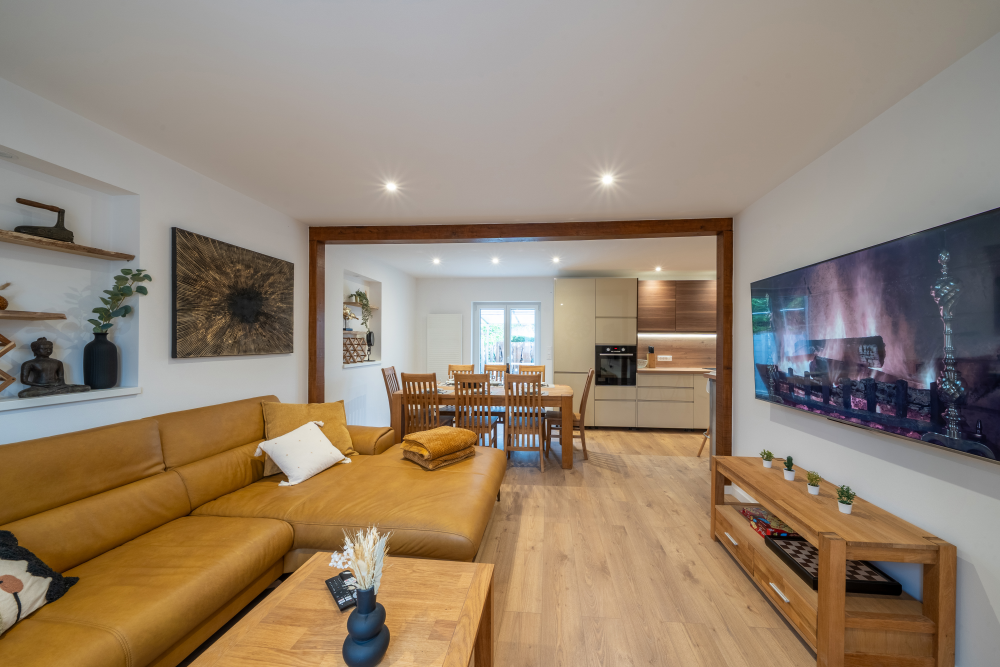
The Sparkling Refuge
📍 Haguenau, Alsace
starting at €152 per night
Minimum 2-night stay; cleaning and linens included
Explore →
The Terra Nova
📍 Haguenau, Alsace
starting at €150 per night
Minimum 2-night stay; cleaning and linens included
Explore →
Pepsii
📍 Haguenau, Alsace
starting at €162 per night
1-night stay, including cleaning and linens
Explore →→ View all our accommodations in Haguenau and Alsace
🎯 Fun Zone & Pro Tips for Your Visit
🤫 Little-known facts
- A “Tourist Maginot” garrison: during the Phoney War (September 1939–May 1940), boredom was so rampant that the soldiers organized concerts, sports competitions, and even theater troupes inside the fort.
- The Stukas were powerless to stop it: despite 1,000-kg bombs dropped in a dive, the thickness of the armor (up to 3.5 meters of reinforced concrete and steel plates) withstood every attack.
- A proud departure: On July 1, 1940, French soldiers left the fort in impeccable military formation, with a flag at the head of the column, as German officers were forced to salute them.
💡 Pro tips
- Book online during peak season (July–August): guided tours fill up quickly.
- Please arrive 15 minutes early: there is plenty of parking, but getting ready (picking up audio guides or gathering the group) takes some time.
- Make sure to dress warmly: even a T-shirt under a sweater is a must. The temperature drops from 25°C to 13°C in just two minutes.
- Opt for a guided tour instead of exploring on your own: the guides are incredibly passionate volunteers, often descendants of veterans. The stories they share are well worth the extra 30 minutes.
- Combine this with a visit to Hunspach: plan on spending 45 minutes strolling through the village before or after the tour. Great photo opportunities guaranteed.
- Don't eat too much beforehand: there are no restroom breaks during the tour, and you'll have to work your way up the stairs (about 220 steps).
🍽️ Where can I eat nearby?
- In Hunspach: Auberge du Cheval Blanc — traditional Alsatian cuisine, flower-filled terrace.
- In Seebach: Au Dauphin Restaurant — bibeleskaes and tartes flambées in a traditional setting.
- In Wissembourg (10 min): a historic town perfect for a cultural detour, plus plenty of brasseries.
FAQ: Everything You Need to Know Before Visiting Fort Schœnenbourg
How much time should I allow for a visit to Fort Schœnenbourg?
Allow between 2 and 2.5 hours for the full tour, including the 3-kilometer underground route. With the guided commentary and photo stops, some visitors spend up to 3 hours there. Plan for a half-day if you’re combining this with a visit to the village of Hunspach.
What will the admission price be in 2026?
Admission is €10 for adults, €5 for children ages 6–18, and free for children under 6. Group rates (15+ people) and school rates are available upon request from the managing association.
Is the tour suitable for children?
Yes, for ages 6–7 and up. The tour is immersive and exciting, but it can be a bit overwhelming for younger children (dark atmosphere, steep stairs, long duration). Teens and adults generally love it.
How far is the fort from Haguenau?
Schœnenbourg Fort is located about 22 km north of Haguenau, a 25-minute drive via the D263 and D264. This is one of the reasons why Haguenau is the ideal base for exploring the Maginot Line in Alsace.
Do I need to make a reservation in advance?
It is not required during the off-season (October through March), but is strongly recommended from April through September, especially on weekends and holidays. Guided tours have limited capacity.
How much does a trip to visit the Maginot Line from Haguenau cost?
At Nexvisit, our apartments in Haguenau start at €150 per night for a two-night stay, with cleaning and linens included. For a three-night stay for four people at the Pepsii, expect to pay around €490 all-inclusive. For six people at the Luminosa, it’s approximately €510 for three nights. Book directly on our website with no commission.
Are there any other Maginot sites to visit in the area?
Absolutely! The Maginot Line features 18 fortifications open to the public in Alsace. Our top recommendations: the Esch Casemate andthe Heidenbuckel Shelter in Hatten, the Lime Kiln in Lembach, and the Hochwald in Drachenbronn. All are less than 45 minutes from Haguenau.
Is the fort accessible to people with limited mobility?
Accessibility is limited due to stairs and the depth of the tunnels. Some of the above-ground facilities remain visible. Please contact the Association des Amis de la Ligne Maginot d’Alsace directly to discuss possible accommodations.
Nexvisit Booking Terms and Conditions
- Book directly online at nexvisit.com; secure payment via Stripe
- Immediate confirmation via email with the exact address and access code
- Check-in from 4 p.m., check-out by 11 a.m.
- Flexible cancellation in accordance with our terms and conditions (see the accommodation listing)
- The deposit will be refunded in full after your stay if no damage is found
- Housekeeping, linens, and towels are included in all our rates
- Pets: Please contact us before booking, as this must be determined on a case-by-case basis.
- No parties or loud events — homes in quiet residential areas
📚 For more information: our related articles
Planning a trip to Northern Alsace? Here are our additional guides to help you make the most of your visit:
🏘️ Hunspach, the most beautiful village in Alsace
Everything you need to know about France’s Favorite Village 2020: half-timbered architecture, traditions, walks, and must-visit spots. The perfect complement to your visit to the Fort.
Read the article →🛏️ Where to stay in Northern Alsace?
Our guide to the best cities to call home: Haguenau, Wissembourg, Brumath, and many more. Tips, comparisons, and Nexvisit’s top picks.
Read the article →🏰 What to Do in Alsace? The Ultimate Guide 2026
The complete guide to planning your trip: villages, cuisine, vineyards, castles, Christmas markets… all the essentials in one article.
Read the article →🏛️ What to do in Strasbourg this weekend?
If you're coming through Strasbourg, make the most of it! The cathedral, Petite France, the European Parliament, brasseries… here are our top tips for a 48- or 72-hour stay.
Read the article →Ready to dive into history?
Book your apartment in Haguenau and set out to explore Fort Schœnenbourg and the entire Maginot Line in Alsace.
View our listings in Haguenau →